01
Seat height should feel neutral.
Your feet should rest comfortably while knees stay relaxed. Pair the chair height with your desk surface and monitor position.
A well-chosen office chair should feel balanced, supportive, and suited to the way you work. This guide helps you compare ergonomic chairs, executive office chairs, task chairs, conference chairs, guest seating, and drafting chairs with a cleaner sense of purpose.

The right office chair is not just about style. It should support the spine, allow relaxed shoulders, keep feet grounded, and help you shift positions naturally throughout the day.
Your feet should rest comfortably while knees stay relaxed. Pair the chair height with your desk surface and monitor position.
Choose a back profile that supports the lower back while allowing the shoulders to stay open and natural.
A balanced seat gives support without pressing behind the knees, especially during long work sessions.
Look for arm positioning that lets elbows rest softly while still fitting beneath or around your desk setup.

Deskora seating is easier to navigate when each chair type has a clear role. Use this section to narrow your choice before comparing finish, size, and support features.
Best for longer workdays, active posture support, and adjustable comfort across focused desk sessions.
Designed for a more substantial visual profile, often suited to private offices and leadership spaces.
A flexible choice for focused work areas, shared desks, student setups, and compact offices.
Made for meeting rooms, shared tables, and collaborative spaces where comfort and consistency matter.
Best for waiting areas, client seating, reception zones, and occasional seating beside a main desk.
Useful for taller work surfaces, studio desks, drafting zones, and flexible work counters.
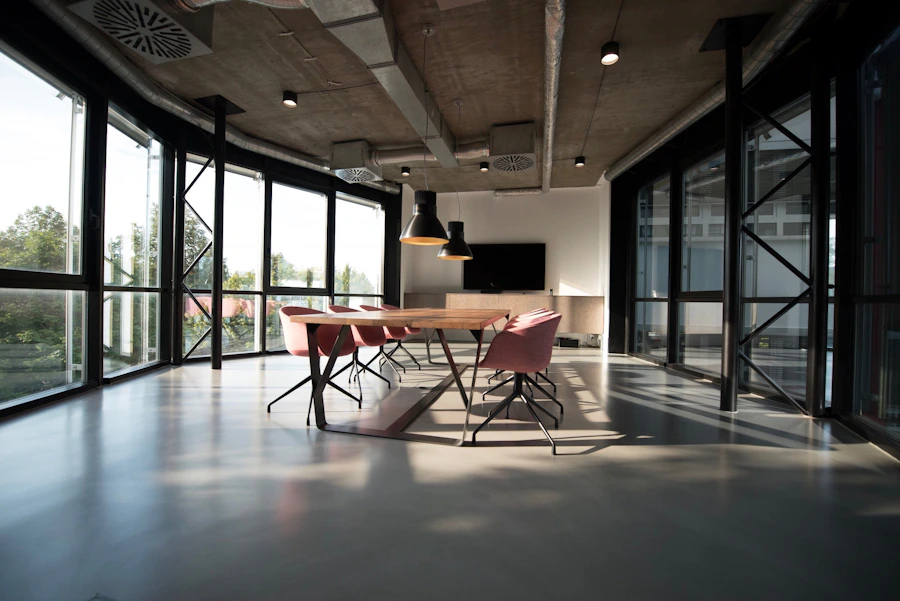
A chair should support the room, the desk, and the user. Think through your real working rhythm before choosing the most visually impressive option.
For long sessions, prioritize ergonomic seating with back support, seat control, and smooth movement.
Select a chair with refined proportions, a confident silhouette, and materials that elevate the room.
For conference and reception areas, choose chairs that repeat well and maintain a calm visual rhythm.
Drafting stools and mobile task chairs help support standing desks, counters, and flexible work zones.
Use this checklist to compare office chairs with more confidence and avoid choosing only by appearance.
Seating works best when it belongs to a larger plan. Use these pairings to create a more resolved workspace.
These quick answers help clarify fit, category differences, workspace planning, and ordering support.
Ergonomic chairs are usually the best starting point for long workdays because they focus on posture support, adjustability, and comfort during extended desk sessions.
Choose an executive office chair when you want a more substantial profile, elevated finish, and a chair that visually suits a private office, executive desk, or refined leadership space.
Yes. Task chairs are often a strong choice for compact offices, shared work areas, computer desks, and flexible workstations because they are practical, mobile, and visually lighter.
Match chair scale to the conference table, keep the silhouette consistent, and choose materials that feel comfortable for meetings while maintaining a clean visual rhythm.
Guest and reception chairs should feel welcoming, easy to maintain, and visually aligned with the reception desk, storage pieces, and overall office atmosphere.
You can contact Deskora support through the contact page for help with product questions, office seating selection, order details, shipping, returns, and exchanges.
Choose office seating by fit, workstyle, room scale, and long-term comfort. Deskora brings together office chairs, desks, conference furniture, and storage pieces for complete workspace planning.
